
|

mold in double pane windows

How To Get Rid Of Mold In Double Pane Windows

Finding mold on or inside your double pane windows can be frustrating. You clean your home regularly, yet those dark spots seem to show up anyway. 

In some cases, the mold is easy to remove. 

In others, it points to a bigger issue hiding inside the window itself.

Mold in double pane windows is usually caused by moisture, and once you identify where the mold is growing, you’ll have a much better idea of how to fix it.

In this post, we’ll show you how to get rid of it, and what you can do to keep it from coming back.

If The Mold Is On The Interior Glass Surface

If the mold is growing on the side of the glass that faces your room, you’re dealing with the simplest situation. 

This type of mold develops when condensation collects on the window and stays there long enough for mold spores to grow.

You can use any of these to clean the mold:

  • White vinegar
  • A commercial mold cleaner
  • A mixture of water and mild dish soap

Spray the cleaner onto a microfiber cloth rather than directly onto the glass. Then wipe the mold away carefully. Once the area is clean, dry the window. 

While you’re cleaning, take a moment to inspect the surrounding frame and window sill. Mold often spreads beyond the glass itself, especially if moisture has been present for a while.

If the mold comes back repeatedly, there may be an indoor humidity issue that needs attention.

Also Check Out Our: Window Glass Services in Richmond 

If The Mold Is Between The Panes

Things get a little more complicated when mold appears between the panes of glass.

Double pane windows contain two pieces of glass separated by a sealed air space. This seal helps improve energy efficiency and insulation. When that seal fails, outside air and moisture can enter the space between the panes.

Once moisture becomes trapped inside, mold can begin growing where you can’t reach it.

Unfortunately, cleaning products, paper towels, and household tools won’t solve this problem because the mold is sealed inside the glass unit. 

how to get rid of mold in double pane windows

You can’t simply wipe it away from either side of the window.

At that point, you’ll need to consider one of these options:

#1 Replace The Insulated Glass Unit

In many situations, replacing the insulated glass unit (IGU) is the most practical solution.

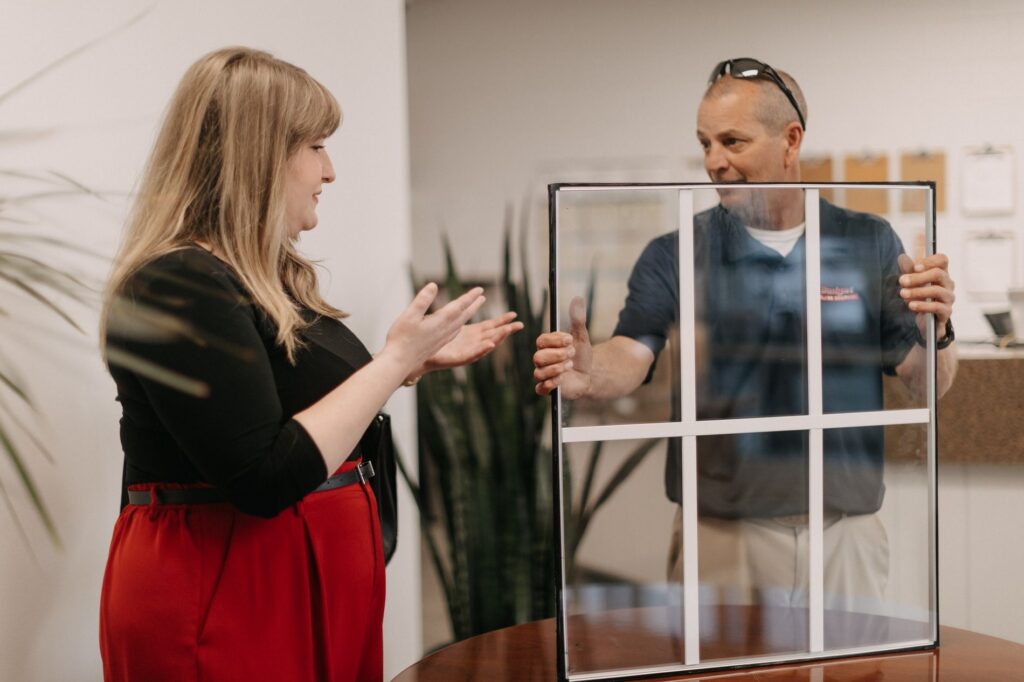
The insulated glass unit includes the two panes of glass and the sealed space between them. The existing frame remains in place while the glass assembly gets replaced.

This option is often less expensive than replacing the entire window, especially if the frame is still in good condition.

A new insulated glass unit restores the window’s appearance and energy efficiency while eliminating the trapped mold and moisture problem.

For many homeowners, this strikes the right balance between cost and long-term results.

#2 Consider Professional Defogging Services

Some companies offer window defogging services.

This process typically involves creating small openings in the glass unit, removing moisture, cleaning the interior surfaces, and reducing the foggy appearance.

Defogging can improve visibility and may cost less than replacing the glass. 

However, it’s important to understand that results can vary. Since the original factory seal has already failed, the window may still be vulnerable to future moisture problems.

For homeowners looking for a lower-cost temporary solution, defogging may be worth exploring. 

For a more permanent fix, glass replacement is often the better option.

#3 Replace The Entire Window

Sometimes replacing the entire window is the best way to get rid of mold in double pane windows. It makes the most sense.

Also Read: Window Repair Vs Replacement

This is especially true if:

  • The frame is damaged or rotting.
  • Multiple seals have failed.
  • The window is older and inefficient.
  • Water damage extends beyond the glass.

A full window replacement costs more upfront, but it can improve energy efficiency, appearance, and overall home comfort.

If you’re already planning other home upgrades, replacing an aging window may be a worthwhile investment.

if the mold is between the panes

Signs Your Double Pane Window Seal Has Failed

Mold between the panes is one of the biggest warning signs of seal failure, but it’s not the only one. Here are some common clues that moisture has entered the insulated glass unit:

  • Persistent fogging between the panes.
  • Water droplets trapped inside the glass.
  • Cloudy glass that never clears up.
  • Visible mold or mildew inside the window.
  • Higher heating and cooling costs due to lost insulation.

A failed seal doesn’t always require immediate replacement, but it rarely fixes itself. 

Once moisture gets inside the unit, the problem generally continues to worsen over time.

What Causes Mold In Double Pane Windows?

Mold needs two basic things to grow: moisture and organic material. While glass itself doesn’t feed mold, dust, pollen, and other particles can collect on surfaces and provide a food source.

A few things contribute to mold growth in double pane windows.

High indoor humidity is one of the biggest causes. 

Also Read: Can You Paint Shower Door Frames?

Bathrooms, kitchens, laundry rooms, and poorly ventilated spaces often produce enough moisture to create condensation on windows.

Seal failure is another major factor. 

Once the insulated glass seal breaks, moisture can enter the space between the panes and become trapped.

Poor ventilation can also contribute. Air that doesn’t circulate well tends to hold moisture longer, increasing the chance of condensation.

In some homes, leaking roofs, damaged siding, or window flashing issues allow water to infiltrate around the window frame. Over time, that moisture can encourage mold growth around the glass, frame, or sill.

The longer moisture remains present, the greater the chance mold will develop.

How To Prevent Mold From Coming Back

Keeping moisture under control is the most effective way to stop future growth.

Start by monitoring indoor humidity levels. Many experts recommend keeping humidity below 50 percent. A simple hygrometer can help track conditions inside your home.

You can also reduce moisture by running exhaust fans during showers and while cooking. In humid climates, a dehumidifier may make a noticeable difference.

Here are a few tips:

  • Dry condensation from windows when you notice it.
  • Use exhaust fans consistently.
  • Maintain indoor humidity at healthy levels.
  • Repair leaks quickly.
  • Inspect windows periodically for signs of seal failure.

Preventing moisture buildup is much easier than dealing with mold removal in double pane windows, and window replacement later.

Bottom Line

Getting rid of mold in double pane windows depends largely on where the mold is located. 

If it’s growing on the interior glass surface, thorough cleaning and moisture control may solve the problem. If the mold is trapped between the panes, the window seal has likely failed and cleaning alone won’t fix it.

In those situations, replacing the insulated glass unit, exploring professional defogging services, or replacing the entire window are usually the best options. 

FAQs

Is Mold Between Window Panes Dangerous?

Mold between window panes is usually not as concerning as mold growing openly inside your living space because it’s trapped within the sealed glass unit. 

However, it often indicates that the window seal has failed and moisture is getting inside. Plus, the underlying moisture problem can worsen over time.

Is It Worth Repairing A Double Pane Window With Mold Inside?

No, attempting to clean the mold by drilling holes or using DIY drying kits is a temporary band-aid that won’t fix the underlying issue. 

Once mold sets in, the insulated glass unit seal is permanently broken and its energy efficiency is entirely gone.

how to remove sash 03

How To Remove Your Window Sash (To Bring Into Our Shop!)

If you’ve got a broken or foggy window, you don’t need to replace the entire window, or pay for a service call.

Just remove your window sash and bring it into our shop. From there, we can replace the glass quickly – often the same day.

How To Remove A Common Vinyl Window Sash

Here’s a quick video showing the process for removing a typical vinyl window sash:

What to Expect

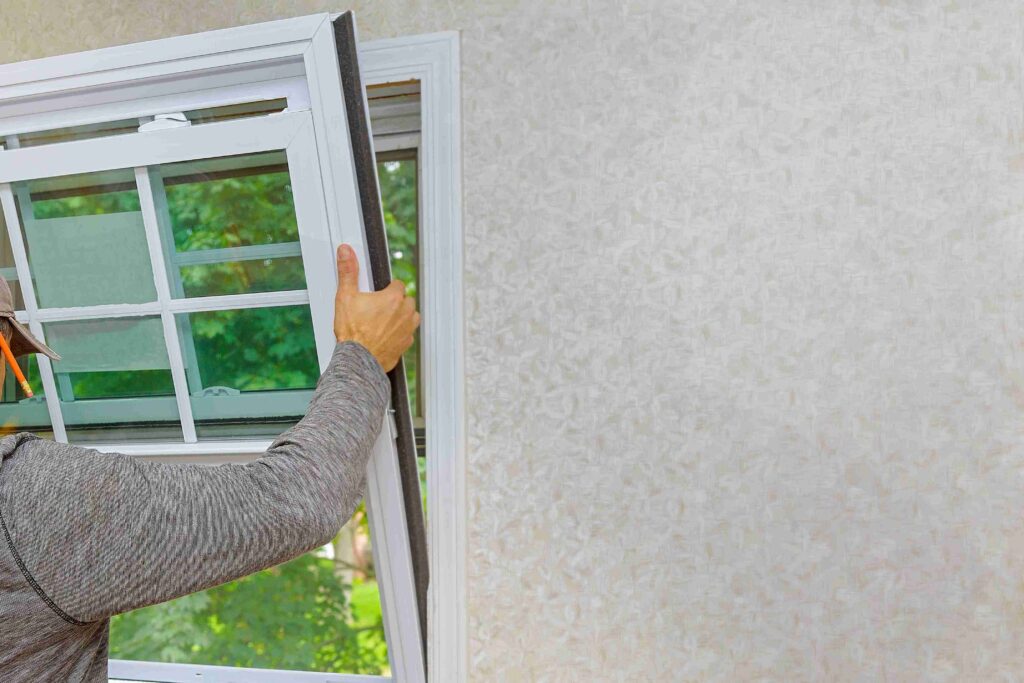
Most modern vinyl windows are designed so the sash (the part that holds the glass) can be removed without special tools. In many cases, the sash simply tilts inward and lifts out once released from the track.

Don’t worry, this is a lot easier than it sounds, and the video above walks you through it.

Bring It In – We’ll Handle the Rest

Once you’ve removed the sash:

  1. Bring it to our shop
  2. We’ll assess it on the spot
  3. Replace the glass and get you back up and running quickly

We specialize in fast, in-store window repairs, helping homeowners and property managers get back to normal without the hassle of full window replacement. If you’re unsure about your window type or run into anything tricky, just give us a call at 804-231-1029. We’re happy to help walk you through it before you start.

window repair vs replacement

Window Repair Vs Replacement 2026 (What Should I Do?)

So, you’re staring at your windows and wondering if they’re in need of some TLC.

Maybe there’s a stubborn draft making your living room feel like a walk‑in freezer, or perhaps you’re just tired of dealing with a window that looks cracked, foggy, or worn out.

It’s a classic homeowner dilemma that almost everyone faces eventually.

Do you fix what you have, or do you bite the bullet and replace the entire window?

It’s not always a clear‑cut choice. The “right” answer usually depends on your budget, your patience, and how much life your existing windows still have left in them.

In this post, we’ll break down window glass replacement vs. window unit replacement to help you decide which option makes the most sense for your situation.

When Does Window Repair Make Sense?

Window glass replacement is basically fixing specific problems without messing with the window frame.

This option makes the most sense when the window frame is still in decent shape. 

If the frame is solid, the window opens and closes fine, and the problem is more about the glass itself, replacing the glass is always the smarter (and cheaper) move.

Here are some common situations in which replacing the glass is the way to go:

  • Cracked or chipped glass that doesn’t affect the window frame
  • Foggy double-pane glass caused by a failed seal
  • Drafts coming from worn weatherstripping
  • Loose handles, locks, or hinges

In cases like these, you’re not dealing with a failing window, you’re dealing with a fixable issue. And that’s a big difference.

Glass replacement is usually quick too. You can take out the window sash yourself, bring it into a glass shop, and get like-new glass in there quickly. No major disruption, no big project dragging on for days.

window replacement vs repair

Also Read: How To Transport A Sliding Glass Door

Cost is also a big reason people lean toward replacing the glass (more on this later).

That said, glass replacement has limits.

When Window Replacement Is The Better Option

There comes a point where replacing window glass isn’t the right move.

If your windows are quite old, worn out, or starting to fail in multiple ways, replacement tends to be the smarter long-term move. 

Sure, it costs more upfront, but it solves a lot more problems in one go.

Here are some clear signs that full-on window replacement makes more sense:

  • Frames are rotting, warped, or damaged
  • You feel constant drafts even after replacing the glass
  • Water leaks around the window
  • Windows are 20+ years old and inefficient

Old windows can be troublesome. They might still “work,” but they’re not doing your home any favors. Poor insulation, weak seals, and outdated materials can quietly drive up your energy bills and make your home less comfortable.

Window replacement also gives you a chance to upgrade. New windows come with better insulation, improved security features, and even noise reduction. 

It’s a bigger project, no doubt. But sometimes it’s the right call.

Also Check Out Our: Richmond Window Glass Services

Window Replacement Vs Repairs 

Let’s put them side by side so it’s easier to see how they stack up:

#1 Cost

Replacing the glass in a window is always the more cost-effective move. 

You might spend $100 to $400 for a glass shop to new glass into your existing window.

A full window replacement can easily run you anywhere from $600 to $1,500 per window depending on the material and the size. If you have fifteen windows in your house, that can be a lot.

#2 Lifespan

A good glass replacement job can buy you another ten years. 

But a brand-new, high-quality window is built to last twenty to thirty years or even longer with minimal maintenance. 

If you choose full window replacement, you are essentially hitting the “reset” button on that part of your home’s maintenance checklist. You won’t have to worry about painting, scraping, or sealing for a very long time. 

Also Read: Shower Door Weep Holes

when window replacement is the better option

#3 Energy Efficiency

This is where full-on window replacement really pulls ahead.

Older windows tend to leak air, even if they look fine. Small gaps, worn seals, and outdated glass all add up. Your AC or heater has to work harder to keep things comfortable.

Repairs or glass replacement can help a bit. Fixing seals or weatherstripping can reduce drafts. 

But they won’t match the performance of modern, energy-efficient windows. And you can’t turn your existing, single-pane window into a double-pane, insulated window unit.

New windows are designed to insulate better, which can make your home feel more comfortable and even lower your energy bills over time.

#4 Time And Hassle

Replacing window glass is a quick operation.

Window replacement is a much bigger production. 

You have to pick out the styles, wait weeks for them to be manufactured, and then deal with a crew of people tearing holes in your house for a few days. 

It is messy, it is loud, and it requires a bit of prep work on your end to move furniture and clears the way. 

If you hate the idea of a construction zone in your living room, the repair route is definitely the path of least resistance.

#5 Long-Term Value

If you’re thinking about resale value, new windows are a huge selling point. 

Buyers love hearing that the windows are new because it means they won’t have to deal with that massive expense themselves for a long time. 

It boosts your “curb appeal” and makes the whole house look crisp and updated. 

That said, if you have a historic home, original windows that are beautifully restored can actually be worth more to a specific type of buyer who prizes authenticity. 

In most average neighborhoods, though, the “new window” tag is a win for your home equity.

Pros And Cons Of Each Option

Here are the pros and cons of window glass replacement and full window replacements to make things even clearer:

Glass ReplacementWindow Unit Replacement
Lower upfront costHigher initial investment
Quick and convenientMajor upgrade in performance and comfort
Ideal for minor issuesLonger lifespan
Doesn’t fully solve aging or efficiency problemsMore time and effort upfront

How To Decide: Replace the Glass or Replace the Window?

The best way to decide is to do a quick walk-around. 

Take a look at the frames and the sills. If the wood or vinyl is solid and the problem is just a broken part or a single piece of glass, go for the glass replacement. 

It’s efficient and keeps money in your pocket for other projects. 

But, if you find yourself shivering every time you walk past the window or if you see visible rot spreading like a bad habit, you are likely just throwing good money after bad by trying to fix it.

Ask yourself how long you plan to live there. 

If this is your “forever home,” the investment in replacement pays for itself over time through lower energy bills and sheer comfort. 

If you’re moving in two years, a few strategic repairs might be all you need to keep things functional and looking decent for the next owner. 

Also, don’t be afraid to get a pro to give you a quote for both. It could help clarify the decision for you.

Bottom Line

There’s no one “right” answer here. It really comes down to how your windows are holding up and what you want out of them.

If the issue is small and the window still has good structure, glass replacement is the easy win. It saves money, fixes most key issues, and keeps things simple.

If your windows are older, damaged, or causing bigger issues, replacement is the smarter long-term move. It costs more upfront, but it solves the root of the problem and improves your home in the process.

Take a close look at what you’re dealing with, think a bit beyond just the immediate cost, and the right choice usually becomes pretty clear.