
|

Author: Daniel

window repair vs replacement

Window Repair Vs Replacement 2026 (What Should I Do?)

So, you’re staring at your windows and wondering if they’re in need of some TLC.

Maybe there’s a stubborn draft making your living room feel like a walk‑in freezer, or perhaps you’re just tired of dealing with a window that looks cracked, foggy, or worn out.

It’s a classic homeowner dilemma that almost everyone faces eventually.

Do you fix what you have, or do you bite the bullet and replace the entire window?

It’s not always a clear‑cut choice. The “right” answer usually depends on your budget, your patience, and how much life your existing windows still have left in them.

In this post, we’ll break down window glass replacement vs. window unit replacement to help you decide which option makes the most sense for your situation.

When Does Window Repair Make Sense?

Window glass replacement is basically fixing specific problems without messing with the window frame.

This option makes the most sense when the window frame is still in decent shape. 

If the frame is solid, the window opens and closes fine, and the problem is more about the glass itself, replacing the glass is always the smarter (and cheaper) move.

Here are some common situations in which replacing the glass is the way to go:

  • Cracked or chipped glass that doesn’t affect the window frame
  • Foggy double-pane glass caused by a failed seal
  • Drafts coming from worn weatherstripping
  • Loose handles, locks, or hinges

In cases like these, you’re not dealing with a failing window, you’re dealing with a fixable issue. And that’s a big difference.

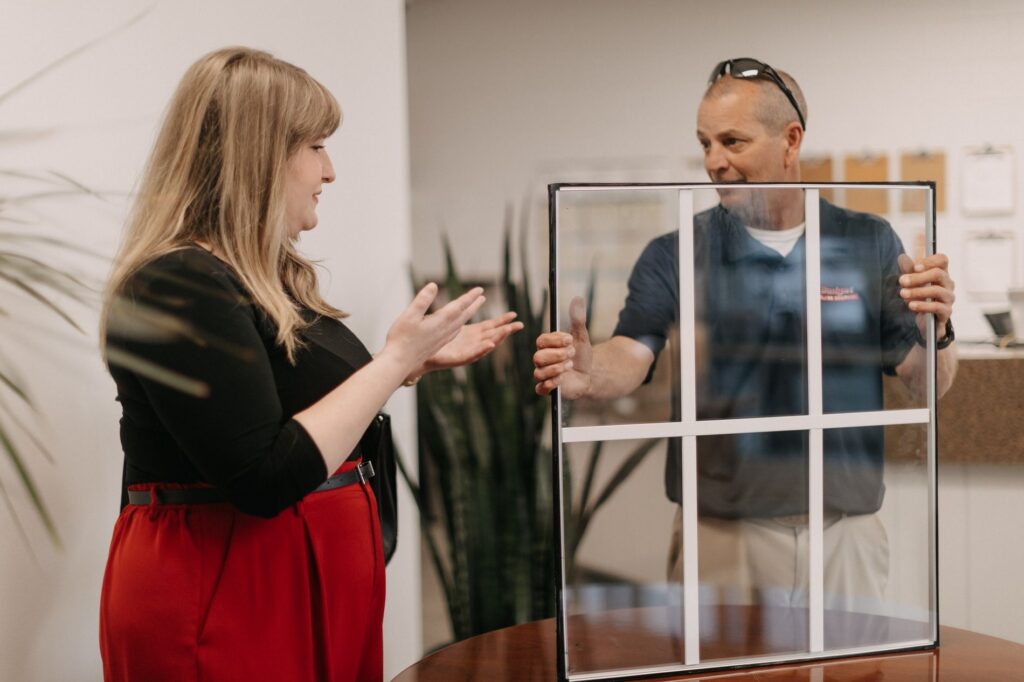
Glass replacement is usually quick too. You can take out the window sash yourself, bring it into a glass shop, and get like-new glass in there quickly. No major disruption, no big project dragging on for days.

window replacement vs repair

Also Read: How To Transport A Sliding Glass Door

Cost is also a big reason people lean toward replacing the glass (more on this later).

That said, glass replacement has limits.

When Window Replacement Is The Better Option

There comes a point where replacing window glass isn’t the right move.

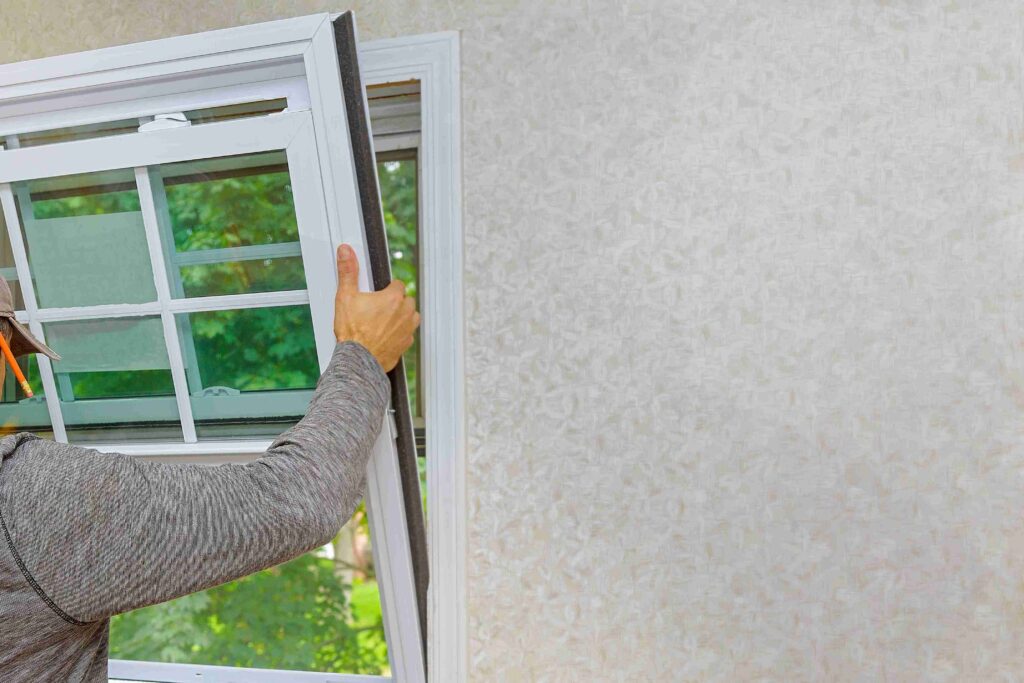
If your windows are quite old, worn out, or starting to fail in multiple ways, replacement tends to be the smarter long-term move. 

Sure, it costs more upfront, but it solves a lot more problems in one go.

Here are some clear signs that full-on window replacement makes more sense:

  • Frames are rotting, warped, or damaged
  • You feel constant drafts even after replacing the glass
  • Water leaks around the window
  • Windows are 20+ years old and inefficient

Old windows can be troublesome. They might still “work,” but they’re not doing your home any favors. Poor insulation, weak seals, and outdated materials can quietly drive up your energy bills and make your home less comfortable.

Window replacement also gives you a chance to upgrade. New windows come with better insulation, improved security features, and even noise reduction. 

It’s a bigger project, no doubt. But sometimes it’s the right call.

Also Check Out Our: Richmond Window Glass Services

Window Replacement Vs Repairs 

Let’s put them side by side so it’s easier to see how they stack up:

#1 Cost

Replacing the glass in a window is always the more cost-effective move. 

You might spend $100 to $400 for a glass shop to new glass into your existing window.

A full window replacement can easily run you anywhere from $600 to $1,500 per window depending on the material and the size. If you have fifteen windows in your house, that can be a lot.

#2 Lifespan

A good glass replacement job can buy you another ten years. 

But a brand-new, high-quality window is built to last twenty to thirty years or even longer with minimal maintenance. 

If you choose full window replacement, you are essentially hitting the “reset” button on that part of your home’s maintenance checklist. You won’t have to worry about painting, scraping, or sealing for a very long time. 

Also Read: Shower Door Weep Holes

when window replacement is the better option

#3 Energy Efficiency

This is where full-on window replacement really pulls ahead.

Older windows tend to leak air, even if they look fine. Small gaps, worn seals, and outdated glass all add up. Your AC or heater has to work harder to keep things comfortable.

Repairs or glass replacement can help a bit. Fixing seals or weatherstripping can reduce drafts. 

But they won’t match the performance of modern, energy-efficient windows. And you can’t turn your existing, single-pane window into a double-pane, insulated window unit.

New windows are designed to insulate better, which can make your home feel more comfortable and even lower your energy bills over time.

#4 Time And Hassle

Replacing window glass is a quick operation.

Window replacement is a much bigger production. 

You have to pick out the styles, wait weeks for them to be manufactured, and then deal with a crew of people tearing holes in your house for a few days. 

It is messy, it is loud, and it requires a bit of prep work on your end to move furniture and clears the way. 

If you hate the idea of a construction zone in your living room, the repair route is definitely the path of least resistance.

#5 Long-Term Value

If you’re thinking about resale value, new windows are a huge selling point. 

Buyers love hearing that the windows are new because it means they won’t have to deal with that massive expense themselves for a long time. 

It boosts your “curb appeal” and makes the whole house look crisp and updated. 

That said, if you have a historic home, original windows that are beautifully restored can actually be worth more to a specific type of buyer who prizes authenticity. 

In most average neighborhoods, though, the “new window” tag is a win for your home equity.

Pros And Cons Of Each Option

Here are the pros and cons of window glass replacement and full window replacements to make things even clearer:

Glass ReplacementWindow Unit Replacement
Lower upfront costHigher initial investment
Quick and convenientMajor upgrade in performance and comfort
Ideal for minor issuesLonger lifespan
Doesn’t fully solve aging or efficiency problemsMore time and effort upfront

How To Decide: Replace the Glass or Replace the Window?

The best way to decide is to do a quick walk-around. 

Take a look at the frames and the sills. If the wood or vinyl is solid and the problem is just a broken part or a single piece of glass, go for the glass replacement. 

It’s efficient and keeps money in your pocket for other projects. 

But, if you find yourself shivering every time you walk past the window or if you see visible rot spreading like a bad habit, you are likely just throwing good money after bad by trying to fix it.

Ask yourself how long you plan to live there. 

If this is your “forever home,” the investment in replacement pays for itself over time through lower energy bills and sheer comfort. 

If you’re moving in two years, a few strategic repairs might be all you need to keep things functional and looking decent for the next owner. 

Also, don’t be afraid to get a pro to give you a quote for both. It could help clarify the decision for you.

Bottom Line

There’s no one “right” answer here. It really comes down to how your windows are holding up and what you want out of them.

If the issue is small and the window still has good structure, glass replacement is the easy win. It saves money, fixes most key issues, and keeps things simple.

If your windows are older, damaged, or causing bigger issues, replacement is the smarter long-term move. It costs more upfront, but it solves the root of the problem and improves your home in the process.

Take a close look at what you’re dealing with, think a bit beyond just the immediate cost, and the right choice usually becomes pretty clear.

Shower Door Weep Holes

Shower Door Weep Holes (Complete Guide)

Shower door weep holes are one of those tiny details that almost nobody thinks about… until there’s a puddle on the bathroom floor. 

Then suddenly, they become very important.

If you’ve ever noticed water sitting in the bottom track of your shower door or slowly creeping out onto the tile, there’s a good chance the weep holes are involved. 

The good news is that they are easier to maintain once you know what’s going on.

In this post, we’ll go over everything you need to know about shower door weep holes.

What Are Shower Door Weep Holes?

If you take a close look at the metal track sitting on your shower curb, you’ll likely spot a few small, rectangular or circular slots cut into the aluminum. 

These are your weep holes.

They aren’t mistakes or manufacturing defects; they are intentionally designed escape routes for water that hitches a ride inside the frame.

When you’re showering, water naturally sprays against the glass and runs down into the tracks or behind the metal housing of the door. Without an exit strategy, that water would just sit there forever, or worse, find its own way out – usually onto your expensive hardwood or tile flooring.

Why Are Shower Door Weep Holes Important

Weep holes take water that has “trespassed” into the internal parts of the door assembly and guide it safely back into the shower pan where it can go down the actual drain.

 It’s a simple gravity-fed system that works perfectly as long as nothing gets in its way.

But because they are so small, they are incredibly easy to overlook until something goes wrong.

Also Read: How To Transport A Sliding Glass Door

Why Are Shower Door Weep Holes Important?

You might think a little bit of trapped water isn’t a big deal, but water is surprisingly destructive when it has nowhere to go. 

Here’s what shower door weep holes are doing for you every day:

#1 Prevent Water From Spilling Outside

This is the big one. During a shower, water splashes everywhere, and some of it always ends up in the door track. That’s completely normal.

Weep holes make sure that water drains back inside instead of building up and spilling over. 

Once they’re blocked, though, the water has nowhere to go. It starts rising in the track, and eventually, it finds its way onto your bathroom floor.

That’s usually when people start wondering what went wrong.

#2 Reduce Mold And Mildew Buildup

We all know that mold loves three things: darkness, warmth, and moisture. The inside of a metal shower track is a great place for spores. 

If water sits in those tracks for days because the drainage is blocked, it starts to get slimy. 

Before you know it, you’ve got black mold or pink mildew creeping out from under the metal. 

This can actually smell pretty funky and isn’t great for your lungs. 

Functional weep holes ensure that the track dries out between uses, which makes life a lot harder for mold to move in and start a family.

#3 Stop Stagnant Water

There is something inherently gross about “old” water sitting in a hidden spot. 

Stagnant water becomes a breeding ground for bacteria and can even attract tiny drain flies if it stays long enough. Plus, as the water sits there, the minerals in it start to settle and harden. 

This creates a crusty buildup known as limescale, which eventually acts like concrete, sealing the gaps even tighter. 

By keeping the water moving, you prevent that “pond effect” from happening inside your hardware, ensuring that everything stays as fresh as possible in a room meant for getting clean.

#4 Protect Surrounding Areas

If water is constantly escaping the shower because the weep holes are clogged, it’s not just your tile that’s at risk. It can seep into the baseboards, get under the flooring, or even rot out the subfloor if you have a wooden structure. 

Over time, this leads to soft spots in the floor or peeling paint on the walls nearby. 

Replacing a rotted subfloor takes a weekend and a few thousand dollars!

Also Read: Shower Glass Care

What Happens When They Get Blocked?

Weep holes can get clogged with all sorts of everyday stuff – soap scum, hard water buildup, bits of hair, and general grime. 

How To Clean Shower Door Weep Holes

It doesn’t happen overnight, but over time, those tiny openings can get completely blocked.

Once that happens, the drainage system basically stops working. Water collects in the track, sits there, and slowly builds up with nowhere to go.

At first, it might not seem like a big deal. A little water in the track doesn’t look too serious. 

But give it some time, and you’ll start noticing bigger issues like leaks, odors, and buildup that’s harder to clean.

Signs Your Shower Door Weep Holes Are Clogged

You don’t need to take your shower door apart to figure this out. The signs are usually pretty obvious once you know what to look for:

  • Water sitting in the bottom track long after a shower
  • Small leaks or puddles outside the shower area
  • A musty or stale smell near the door
  • Visible gunk, soap scum, or buildup in the track

If you’re seeing one or more of these, clogged weep holes are a strong possibility.

How To Clean Shower Door Weep Holes

The nice thing here is that cleaning weep holes is quick and doesn’t require any fancy tools. 

You can usually handle it in just a few minutes!

Start by taking a close look at the bottom track and locating the holes. Then, use something like a toothpick, paperclip, or a small cleaning brush to gently clear out any debris.

Also Read: Top 5 Shower Door Trends

After that, flush the area with warm water. This helps wash away anything you’ve just loosened. 

If there’s still some stubborn residue, a simple mix of vinegar and warm water can help break it down. Let it sit for a few minutes, then rinse again.

Finish by wiping down the track with a cloth or sponge. That last step helps remove any leftover grime and keeps things looking clean.

Do it regularly, and you’ll rarely run into problems.

Can You Add Or Fix Weep Holes?

In most cases, your shower door already has weep holes built in, and they just need a bit of maintenance. 

If the holes are damaged, blocked beyond cleaning, or just not doing their job, you might be able to fix the issue with a thorough cleaning or by clearing the path more effectively.

Adding new weep holes is a bit trickier. It involves drilling into the frame, which isn’t always recommended unless you’re confident in what you’re doing.

Done incorrectly, it can damage the door or create new leak paths.

If you feel like your shower door has a design issue rather than just a clog, it might be worth getting a professional to take a look.

Bottom Line

Shower door weep holes are small, easy to overlook, and surprisingly important. They quietly handle water drainage every day, helping prevent leaks, odors, and long-term damage.

The best part is that they don’t need much attention.

A quick check and occasional cleaning are usually enough to keep everything working smoothly.

If you’ve been dealing with water in your shower track or unexplained puddles on the floor, this is one of the first things to check. Chances are, those tiny holes just need a little help getting back to doing their job.

How to transport a sliding glass door

How To Transport A Sliding Glass Door (Like A PRO)

Moving a sliding glass door isn’t exactly anyone’s idea of a fun Saturday afternoon. 

It’s essentially a giant, heavy sheet of glass held together by a thin frame, which makes it feel like you’re carrying a literal disaster waiting to happen. 

But if you are renovating or moving to a new spot, you’ve got to get it from point A to point B without it shattering into a million tiny pieces.

The good news is, it’s totally doable if you take your time and follow a few smart steps. 

In this post, we’ll show you how to transport a sliding glass door like a PRO.

Step 1: Remove The Sliding Door Panel

First things first, you’ve got to get the sliding part out of the frame. 

This is usually easier than people expect, but it can feel a bit intimidating the first time.

Start by sliding the door open about halfway. That gives you room to work. Then, look down at the bottom edge of the door. You should see small screws on either side – these control the rollers that let the door glide.

Grab a screwdriver and turn those screws counterclockwise. What you’re doing here is lowering the rollers, which creates enough clearance to lift the door out of the track.

Now comes the part where you’ll want a helper. 

Each of you should grab one side of the door. Lift it straight up into the top track, then gently pull the bottom toward you and out. 

It might take a little wiggle, but don’t force it. Once it clears the track, you’re free.

And yeah, it’s heavier than it looks. Most people underestimate that part.

How to move a sliding glass door

Also Check Out Our: Richmond Custom Shower Doors

Step 2: Remove The Fixed Panel (If Needed)

If you’re only moving the sliding portion, you can skip this. But if the whole door unit is coming with you, the fixed panel needs to come out too.

Unlike the sliding panel, this one is secured in place. Look along the edges for screws, brackets, or clips holding it in. Remove those carefully and keep them somewhere safe as you’ll need them later.

Sometimes the panel is also sealed with caulk. 

If that’s the case, grab a utility knife and cut along the edges to break the seal. Take your time here so you don’t damage the frame.

Once everything is loose, the panel should either slide or tilt out. 

Again, it’s a two-person job. Move slowly and keep it steady as you take it out.

Step 3: Protect The Glass

This step is where a lot of people cut corners, and it’s usually where things go wrong. 

Bare glass plus movement equals risk. So let’s avoid that.

You want to cushion and stabilize the door so it doesn’t flex or take a hit during the move. Think of it like wrapping something fragile, because that’s exactly what it is.

Here’s a simple setup that works really well:

  • Wrap the entire door in moving blankets or thick towels
  • Add cardboard sheets on both sides for extra support
  • Use stretch wrap or tape to hold everything snugly in place

If you want an extra layer of protection, you can put painter’s tape in an “X” pattern across the glass. It won’t stop breakage, but it helps keep things contained if something does happen.

Make sure there’s no exposed glass, no loose padding, and no shifting.

Also Read: Shower Glass Care

Step 4: Always Carry It Upright

This one rule matters more than anything else. 

Keep the door upright at all times.

It might seem easier to lay it flat, especially when you’re tired or short on space, but that’s one of the quickest ways to crack the glass. 

When it’s flat, the weight isn’t supported evenly, and even a small bump can cause damage.

Instead, carry it vertically, like you’re moving a large mirror. One person on each side, holding near the edges. Not the center. The edges give you better control and reduce stress on the glass.

Move slowly, communicate as you go, and take your time around tight corners or doorways. 

There’s no prize for speed here.

Step 5: Loading It For Transport

Getting the door into a truck or trailer is where things can get tricky, mostly because space is limited and angles aren’t always ideal.

transporting a sliding glass door

You’ll want to position the door upright against a solid surface, like the side wall of the truck bed. Never just lean it loosely and hope for the best. That’s asking for trouble.

Before setting it in place, add padding between the door and the wall. 

A blanket works great here. Then, once it’s positioned, secure it with straps so it can’t move around during the drive.

A few things to keep in mind while loading:

  • Keep the door vertical and supported at all times
  • Don’t stack heavy items against it
  • Make sure it’s tightly strapped so it won’t shift

Even a short drive can cause damage if the door is bouncing or sliding around, so take a minute to double-check everything before you hit the road.

Also Read: How Our 4-Gun Machine Turns Foggy Windows Clear Faster

Step 6: Reinstalling At The New Location

Once you’ve made it to your destination, you’re basically going to reverse the process.

Start with the fixed panel if you removed it. Set it back into place, secure it with the brackets or screws, and reseal it if needed. Make sure it’s snug and properly aligned before moving on.

Next, grab the sliding panel. Lift it into the top track first, just like before, then lower the bottom into the track. It might take a little adjusting to get it to sit correctly.

After that, tighten the roller screws you loosened earlier. This raises the door slightly and helps it glide smoothly. Test it a few times. If it sticks or feels uneven, make small adjustments until it moves easily.

Don’t rush this part. A properly installed door should slide effortlessly without catching or dragging.

A Few Quick Tips That Save Headaches

There are always little things that make a job like this easier. These aren’t complicated, but they can save you a lot of frustration.

Here are our best tips:

  • Clear your path before you start moving anything
  • Wear gloves for better grip and hand protection
  • Have at least one other person helping – seriously, don’t try to solo this
  • Keep track of screws and hardware in a small bag or container
  • Take breaks if you need to because fatigue leads to mistakes

Also Read: Frameless vs. Framed Shower

Bottom Line

Transporting a sliding glass door isn’t complicated, but it does require some care. 

You’re dealing with something that’s heavy, fragile, and a bit awkward all at once, so the goal is to stay steady and deliberate the whole way through.

Remove the panels carefully, protect the glass properly, keep everything upright, and secure it well during transport. 

Do that, and you’ll avoid the most common problems people run into.

Take your time, don’t rush the process, and you’ll get it from point A to point B without any drama.